
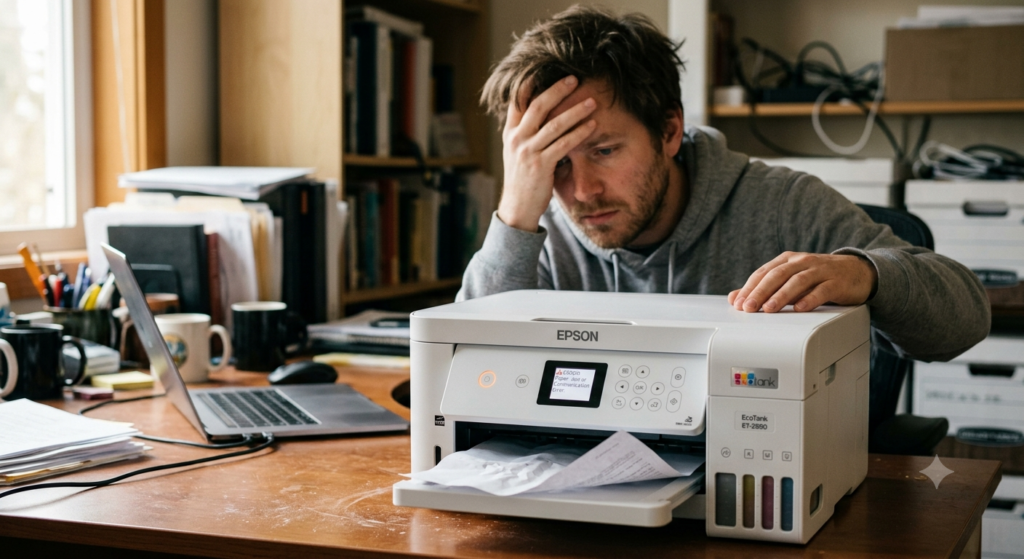
How to Fix Epson Printer Not Printing?
Epson printers are known for their reliable performance and excellent print quality, making them a popular choice for homes, schools, and offices. Whether you need to print documents, photos, or important business files, an Epson printer is designed to deliver consistent results. However, there are times when the printer suddenly stops printing, even though it appears to be connected and powered on. This can be frustrating, especially when you have urgent printing tasks to complete.
An Epson printer that is not printing does not always indicate a serious hardware problem. In many cases, the issue is caused by simple factors such as connection problems, empty or clogged ink cartridges, outdated printer drivers, incorrect printer settings, or pending print jobs. Fortunately, most of these problems can be resolved with a few basic troubleshooting steps.
Common Reasons Why an Epson Printer Is Not Printing
Before troubleshooting, it is helpful to understand what might be causing the problem.
Poor Printer Connection
A weak wireless connection or a loose cable can prevent your computer from communicating with the printer.
Empty or Low Ink
If one or more ink cartridges are empty or running low, the printer may refuse to print or produce faded pages.
Clogged Print Head
Over time, dried ink can clog the print head, affecting print quality or preventing printing altogether.
Outdated Printer Driver
An outdated or damaged printer driver may interrupt communication between your computer and the printer.
Incorrect Printer Settings
If another printer is selected as the default printer or the Epson printer is set to work offline, your documents may not print.
Stuck Print Queue
A failed print job can remain in the queue and prevent new print requests from being processed.
How to Fix an Epson Printer That Is Not Printing
Check the Printer Power
Ensure the printer is turned on and has completed its startup process. Confirm that the power cable is securely connected.
Verify the Connection
If you are using a wireless printer, make sure it is connected to the correct network. For wired printers, check that the cable is firmly connected to both the printer and the computer.
Restart the Printer and Computer
Turn off both the printer and the computer, wait briefly, and then restart them. This simple step often clears temporary software issues.
Check Ink Levels
Open the printer software or view the printer display to confirm that sufficient ink is available. Replace empty cartridges if necessary.
Clean the Print Head
Use the built-in print head cleaning feature to remove dried ink that may be blocking the nozzles. After cleaning, print a test page to check the results.
Clear the Print Queue
Remove any pending print jobs from the print queue and then try printing again.
Set the Epson Printer as the Default Printer
Make sure your Epson printer is selected as the default printer so your computer sends print jobs to the correct device.
Disable Offline Mode
If the printer has been set to work offline, change the setting so it can communicate normally with your computer.
Update or Reinstall the Printer Driver
Install the latest printer driver compatible with your operating system. If the driver appears damaged, reinstall it to restore proper communication.
Run the Printer Troubleshooter
Many operating systems include built-in troubleshooting tools that can automatically detect and resolve common printer issues.
Tips to Prevent Printing Problems
Following these simple practices can help keep your Epson printer working smoothly.
- Keep the printer drivers updated.
- Print regularly to prevent ink from drying inside the print head.
- Use genuine Epson ink cartridges whenever possible.
- Keep the printer clean and free from dust.
- Maintain a stable wireless connection.
- Clear completed print jobs from the queue.
- Install operating system updates regularly.
- Turn off the printer properly after use.
- Perform routine nozzle checks and print head cleaning when needed.
- Store the printer in a clean and dry environment.
Common Mistakes to Avoid
Avoiding these mistakes can help reduce future printing problems.
- Ignoring low ink warnings.
- Disconnecting the printer while printing.
- Using damaged cables.
- Installing incompatible printer drivers.
- Allowing print jobs to remain stuck in the queue.
- Skipping routine printer maintenance.
- Using poor-quality paper that may cause paper jams.
FAQs
Why is my Epson printer connected but not printing?
This may happen because of outdated drivers, incorrect printer settings, connection issues, low ink levels, or a clogged print head.
How do I know if my print head is clogged?
Common signs include faded prints, missing lines, blank pages, or poor print quality. Running a nozzle check can help identify the problem.
Can restarting the printer fix printing problems?
Yes. Restarting both the printer and the computer often clears temporary communication errors and restores normal operation.
Should I reinstall my Epson printer driver?
Yes. If updating the driver does not solve the problem, reinstalling it can correct damaged or corrupted files.
How can I prevent my Epson printer from stopping printing again?
Keep your printer updated, clean the print head regularly, maintain stable connections, monitor ink levels, and perform routine maintenance to keep the printer operating efficiently.
Conclusion
An Epson printer that is not printing can interrupt your work, but the problem is often easy to resolve. Most issues are related to connection problems, outdated drivers, clogged print heads, incorrect settings, or low ink levels rather than hardware failure. By checking the printer connection, cleaning the print head, updating drivers, clearing the print queue, and reviewing your printer settings, you can restore normal printing quickly.